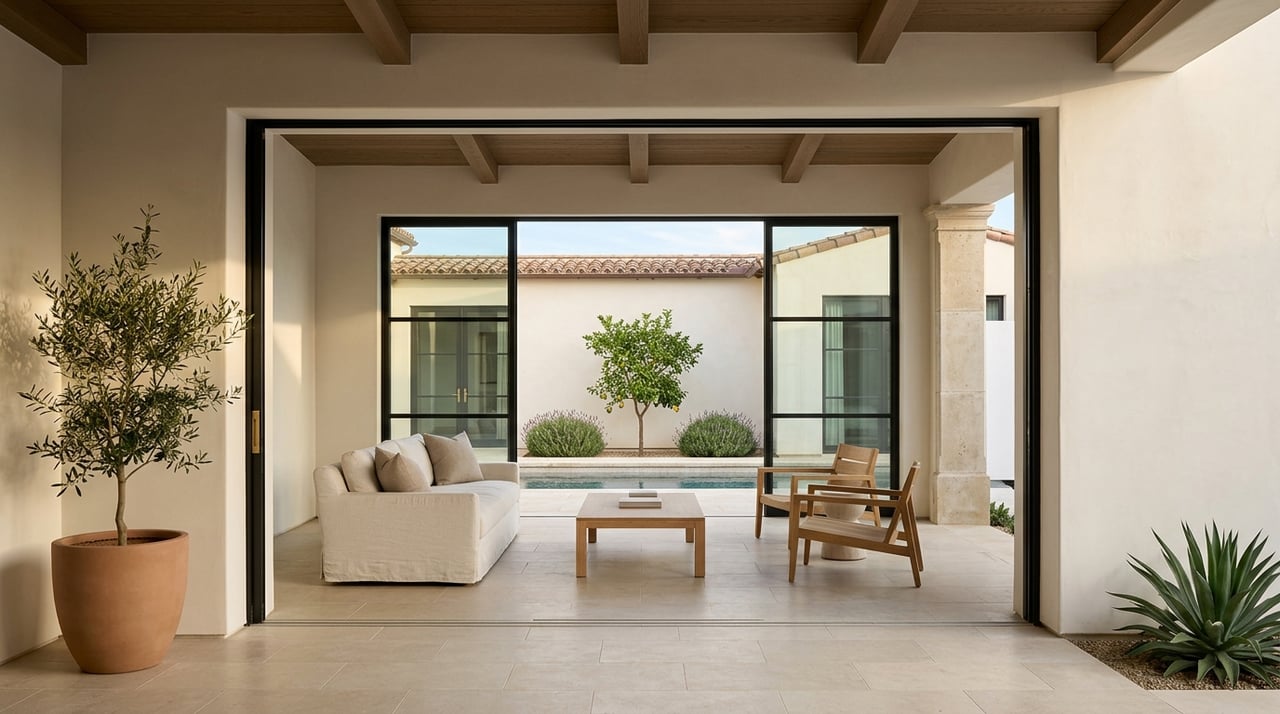
If you are thinking about selling a luxury home in Rancho Santa Fe, one question tends to shape every decision that follows: How do you price it well without leaving money on the table or losing momentum? In a market known for custom estates, large lots, and highly individual properties, the answer is rarely simple. With the right pricing strategy, thoughtful preparation, and a clear plan for disclosures and property details, you can go to market with more confidence and fewer surprises. Let’s dive in.
Why Rancho Santa Fe Pricing Takes More Care
Rancho Santa Fe is not a one-size-fits-all market. The community spans roughly 10 square miles, features average lot sizes of more than two acres, and includes estate-style properties shaped by privacy, design, land, and setting. It is also about four miles from the Pacific Ocean and includes 24-hour security, which adds to its distinct character.
That uniqueness is exactly why headline market numbers only tell part of the story. As of spring 2026, public market trackers showed very different snapshots, from Realtor.com’s median listing price of $5.595 million to Zillow’s typical home value of $4.384 million and Redfin’s median sale price of $3.898 million. Those differences show why broad averages can be a starting point, but not a pricing strategy.
Start With Comparable Sales
For luxury homes, pricing should be anchored to recent comparable sales. Valuation frameworks used in the market compare your property to similar local sales and adjust for meaningful differences. Appraisers also look at closed sales, contract sales, and active listings that are most comparable to the subject property.
In Rancho Santa Fe, that matters because homes often vary widely in style and features. Two properties can have similar square footage but very different value depending on their setting, architecture, condition, and privacy. A pricing conversation that skips those details can quickly miss the mark.
What Buyers and Appraisers Notice
When your home is being evaluated against other luxury properties, the details matter. In Rancho Santa Fe, some of the most important value drivers often include:
- Lot size
- Views
- Privacy
- Architectural style
- Overall condition
- Quality of renovations
- Deferred maintenance
- Outdoor presentation and landscaping
Price per square foot can still be useful as one reference point, but it should not lead the pricing decision on its own. Estate properties are too nuanced for that shortcut.
Time Adjustments Matter Too
Comparable sales are most helpful when they reflect current market conditions. Fannie Mae guidance emphasizes that appraisers should analyze whether market conditions changed between a comparable sale and the effective date of the appraisal, then make time adjustments when needed.
In practical terms, a sale from several months ago may need more context before it helps support today’s price. This is especially important in a market with lower transaction volume and highly customized homes, where each new closing can shift the competitive picture.
The First Few Weeks Are Important
Luxury sellers often have more flexibility than the average seller, but that does not mean timing is unimportant. Recent market analysis from Realtor.com suggests the first four weeks on market are a critical window, and sellers tend to see the best outcomes when a home closes about four weeks after it is listed.
That does not mean every Rancho Santa Fe estate should sell immediately. It does mean your launch matters. If the home enters the market overpriced or underprepared, you may lose the strongest early interest from buyers who are already watching closely.
Prepare the Home Before You List
In a luxury market, preparation is part of pricing. Buyers are not only comparing square footage and bedrooms. They are comparing how a home feels, how well it shows, and whether it looks move-in ready or like a future project.
National staging data supports that effort. In the 2025 Profile of Home Staging, 29 percent of agents said staging led to a 1 percent to 10 percent increase in the dollar value offered, and 49 percent said staging reduced time on market. The same report found that decluttering, cleaning, and curb appeal were among the most common recommendations.
Focus on the Highest-Impact Updates
You do not always need a full renovation before listing. Often, the most effective improvements are the ones that make the home feel clean, cared for, and visually cohesive.
A smart pre-listing checklist may include:
- Deep cleaning throughout the home
- Decluttering and editing personal items
- Touch-up paint where needed
- Minor repairs that buyers will notice quickly
- Landscape cleanup and maintenance
- Refreshing entry areas and main entertaining spaces
- Preparing for professional photography, video, and virtual tours
For luxury homes especially, presentation should feel intentional. Buyers often form their first impression online, and strong visual marketing depends on a home being ready before the cameras arrive.
Be Careful With Exterior Changes
In Rancho Santa Fe, exterior prep needs extra attention. The Rancho Santa Fe Association notes that the Art Jury and Building & Planning Department review exterior changes, and the architectural review process includes landscape plans as part of the approval framework.
That means sellers should pause before approving exterior work such as repainting, hardscape changes, gate work, or larger landscape revisions. Even when the goal is simply to improve curb appeal before listing, it is worth confirming whether Association approval is required. That extra step can help you avoid delays or complications later.
Wildfire Readiness Is Part of Market Prep
Wildfire readiness is not a side issue in this area. The Rancho Santa Fe Fire Protection District says its Hazard Abatement Program is year-round and that residents must maintain properties to district standards. The district also states that a 100-foot defensible-space or fuel-modification zone is required around structures.
This should be part of your pre-listing plan, not a last-minute item. If your property is in a specified wildfire zone, the district says AB 38 documentation may be required before close of escrow. Handling this early can make the transaction smoother once a buyer is in place.
Build Your Disclosure Packet Early
One of the best ways to protect your timeline is to prepare disclosures before the home goes live. In California, sellers should expect a full disclosure process, including the Real Estate Transfer Disclosure Statement and natural hazard disclosures.
Starting early gives you time to gather documents, clarify property details, and address questions before they become deal friction. In a luxury sale, where buyers often review information carefully, a complete and organized packet helps reinforce confidence.
Common Disclosure Areas to Plan For
Depending on the property, your pre-listing preparation may include:
- California transfer disclosure forms
- Natural hazard disclosures
- Agency disclosure requirements
- Documentation related to wildfire zones or AB 38, if applicable
- Information about exterior approvals or notices, if relevant
- Lead-based paint disclosures for homes built before 1978
If your home was built before 1978, federal law requires sellers to disclose known lead-based paint hazards, provide available records, and share the required EPA pamphlet before the sale. This is another reason to organize documents early rather than waiting until escrow.
Association Documents Can Affect Timing
If your property is part of a common interest development, California law requires a range of association-related documents to be provided to the buyer. These can include governing documents, assessment information, unresolved violation notices, rental restrictions, and requested board minutes.
In Rancho Santa Fe, that requirement deserves close attention because the Association functions with a robust review structure tied to community oversight and exterior planning. If association documents are needed, requesting them early can help prevent avoidable delays once an offer is accepted.
Talk About Property Taxes Up Front
Luxury buyers often ask detailed questions about ownership costs, and property taxes should be part of that conversation. In California, a change in ownership or new construction can create a supplemental assessment event, which may result in a supplemental tax bill in addition to the annual property tax bill.
California’s Constitution caps the base ad valorem tax at 1 percent of full cash value, subject to additional voter-approved indebtedness or fees. While buyers should confirm their own tax picture, sellers benefit when this topic is raised early and handled clearly. It helps set realistic expectations and supports a smoother escrow process.
Treat Pricing and Prep as One Strategy
The strongest luxury listings usually do not treat pricing, presentation, and paperwork as separate tasks. In Rancho Santa Fe, they work best as one coordinated strategy. Your asking price should reflect the home’s true market position, while your preparation should support that price from the first showing forward.
That means looking at recent comparable sales, weighing current competition, refining the home’s presentation, checking exterior approval issues, addressing wildfire readiness, and organizing disclosures before launch. When those pieces come together, your home enters the market with more clarity and stronger positioning.
If you are considering selling in Rancho Santa Fe, a calm and thoughtful plan can make a meaningful difference. For tailored guidance on pricing, presentation, and next steps, connect with Vanessa De Luca.
FAQs
How should you price a luxury home in Rancho Santa Fe?
- The best starting point is recent comparable sales, adjusted for factors like lot size, views, privacy, architecture, condition, and renovations rather than relying only on average market numbers or price per square foot.
Why are Rancho Santa Fe market prices so different across websites?
- Public market trackers use different methods and timeframes, so headline figures can vary widely. That is why a home-specific pricing strategy is more useful than a single broad median number.
What should you do before listing a luxury home in Rancho Santa Fe?
- Focus on cleaning, decluttering, minor repairs, landscape maintenance, and getting the home ready for professional photography, video, and virtual tours, while also organizing disclosures and property documents early.
Do exterior improvements in Rancho Santa Fe need approval?
- Some exterior changes may require review or approval through the Rancho Santa Fe Association’s Art Jury and Building & Planning process, so it is wise to confirm requirements before starting visible exterior work.
What wildfire-related items matter when selling a Rancho Santa Fe home?
- Sellers should plan for defensible space and fuel-modification requirements, and in specified wildfire zones, AB 38 documentation may be required before close of escrow.
What disclosures are commonly required for a California home sale in Rancho Santa Fe?
- Sellers should expect transfer disclosures, natural hazard disclosures, agency disclosure requirements, and in some cases association documents, wildfire-related documentation, or lead-based paint disclosures for homes built before 1978.